
BLOG
My goal with my writing is to simplify complex science. I strive to communicate to the patient learner a bit more understanding about pain. For the novice pain clinician, I want to help show them how I interpret and apply the science. And for the experienced practitioner, I offer them something new to consider.

Commodo cursus magna, vel scelerisque nisl consectetur et. Donec id elit non mi porta gravida at eget metus.

Lorem ipsum dolor sit amet, consectetur adipiscing elit. Vestibulum id ligula porta felis euismod semper.


Sed purus sem, scelerisque ac rhoncus eget, porttitor nec odio. Lorem ipsum dolor sit amet.

Vivamus pellentesque vitae neque at vestibulum. Donec efficitur mollis dui vel pharetra.

Praesent id libero id metus varius consectetur ac eget diam. Nulla felis nunc, consequat laoreet lacus id.

Donec id justo non metus auctor commodo ut quis enim. Mauris fringilla dolor vel condimentum imperdiet.

Commodo cursus magna, vel scelerisque nisl consectetur et. Donec id elit non mi porta gravida at eget metus.

Lorem ipsum dolor sit amet, consectetur adipiscing elit. Vestibulum id ligula porta felis euismod semper.


My “Dear John” to BPS. While Biopsychosocial was a gallant call for empathy, and expansion of thought beyond pathology, it does not serve us as a model, because it is not one. In this blog I discuss where BPS has failed us, and what we should consider replacing it with.


In this second installment, I review the evolution, and more recent changes, to the Fear Avoidance Model. I examine the relationships within the model and how the evidence reflects back on the model.

Fear Avoidance Part I: Misinterpretations and Misuse. In this first installment of a three blog series, I lay out my concerns. While the schematic is attractive with respect to it’s logic and simplicity, is it enough? Does it facilitate what we know to be critical aspects of care? How is it being applied clinically?

Engaging in self management strategies can lead to statistically significant decreases in dependency on others, reduced pain intensity, reduced pain interference, greater life satisfaction, higher self efficacy, more involvement in valued roles, and resourcefulness. It is a skill to be developed.
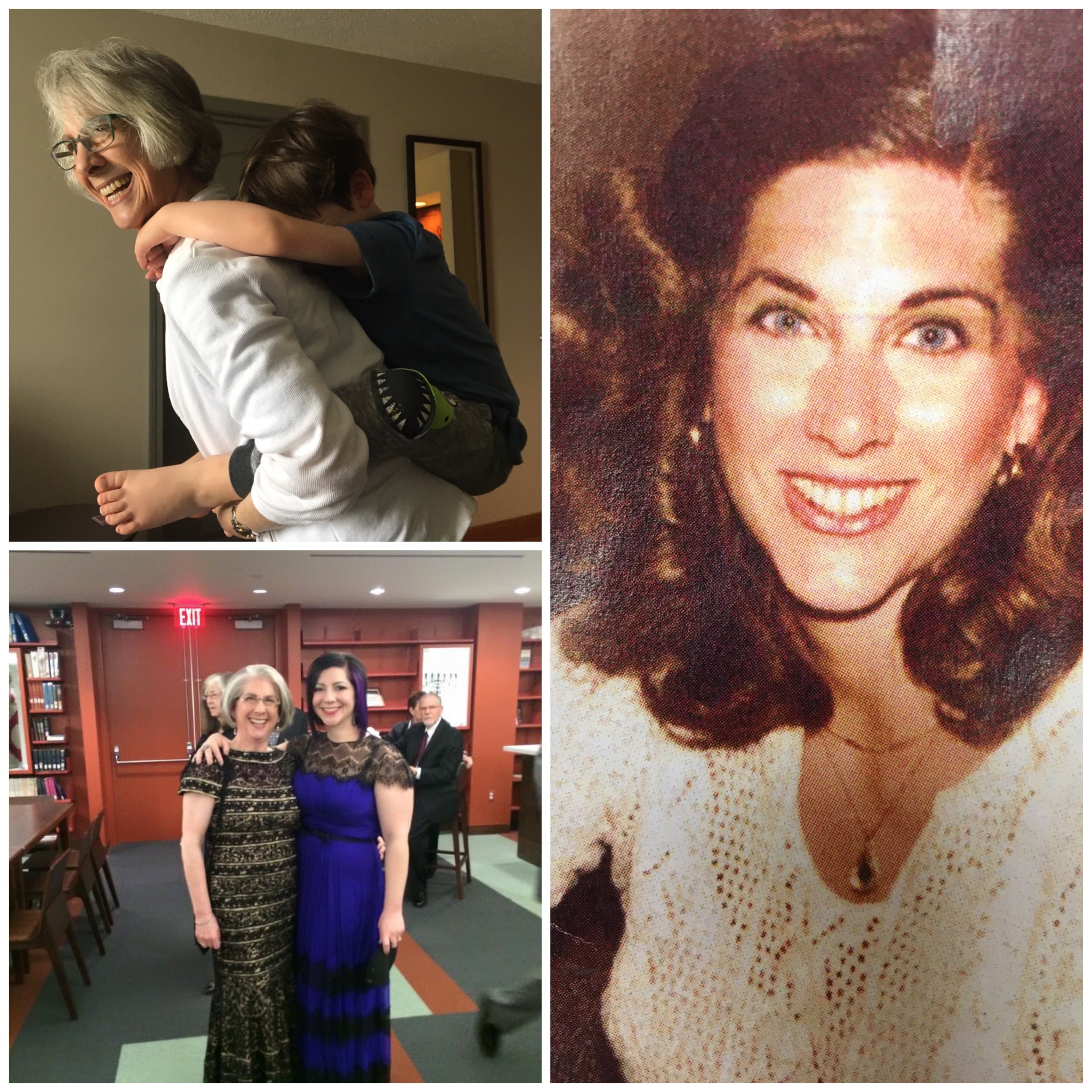
I grew up with a mom who is an occupational therapist and who has chronic pain. Her self efficacy empowered her to reduce pain interference on function, maintain independence, and improve her life satisfaction. My experience growing up with her example, has greatly shaped my practice today. I want to help foster that belief and confidence in the people I serve, so they too can attain their vision of themselves doing what they love in order to return to joyful living.

How many of you have thought that you didn’t have enough time with the patients you believed really needed it? Or experienced the pressures of productivity standards and competing responsibilities? I most certainly have. And though you may feel that there isn’t nearly enough one on one time for the person experiencing persisting pain, there are many things you CAN do that can help.

Sensory processing is the reconciliation of information coming in from the periphery on the brain’s internal model of the world and self. Perception is the ascribed meaning about the sensation, the environment, the person, and context. The lack of awareness of neuroplasticity and sensory processing in regards to the experience of pain, is extremely problematic for patients in their interactions with healthcare providers and navigation of health systems.

Activity pacing is not the same as simply taking breaks or working until you can work no further. It is a learned skill that carries beliefs related to self worth, acceptance, empowerment, and independence. It is an important component of self management; and it promotes adaptive neuroplastic changes, and reduces disability.

When it comes to beliefs, facts don’t matter. Scientific data is insufficient to convince someone of a differing belief. “To make a change we must tap into those motives, presenting information in a frame that emphasizes common beliefs, triggers hope and expands people's sense of agency.” Dr. Tali Sharot,

It is imperative that people feel hopeful, not hopeless. The idea that symptoms vary, implies that something is influencing the change. If we can track symptom changes better, then we have an opportunity to decipher what may be contributing to that fluctuation.
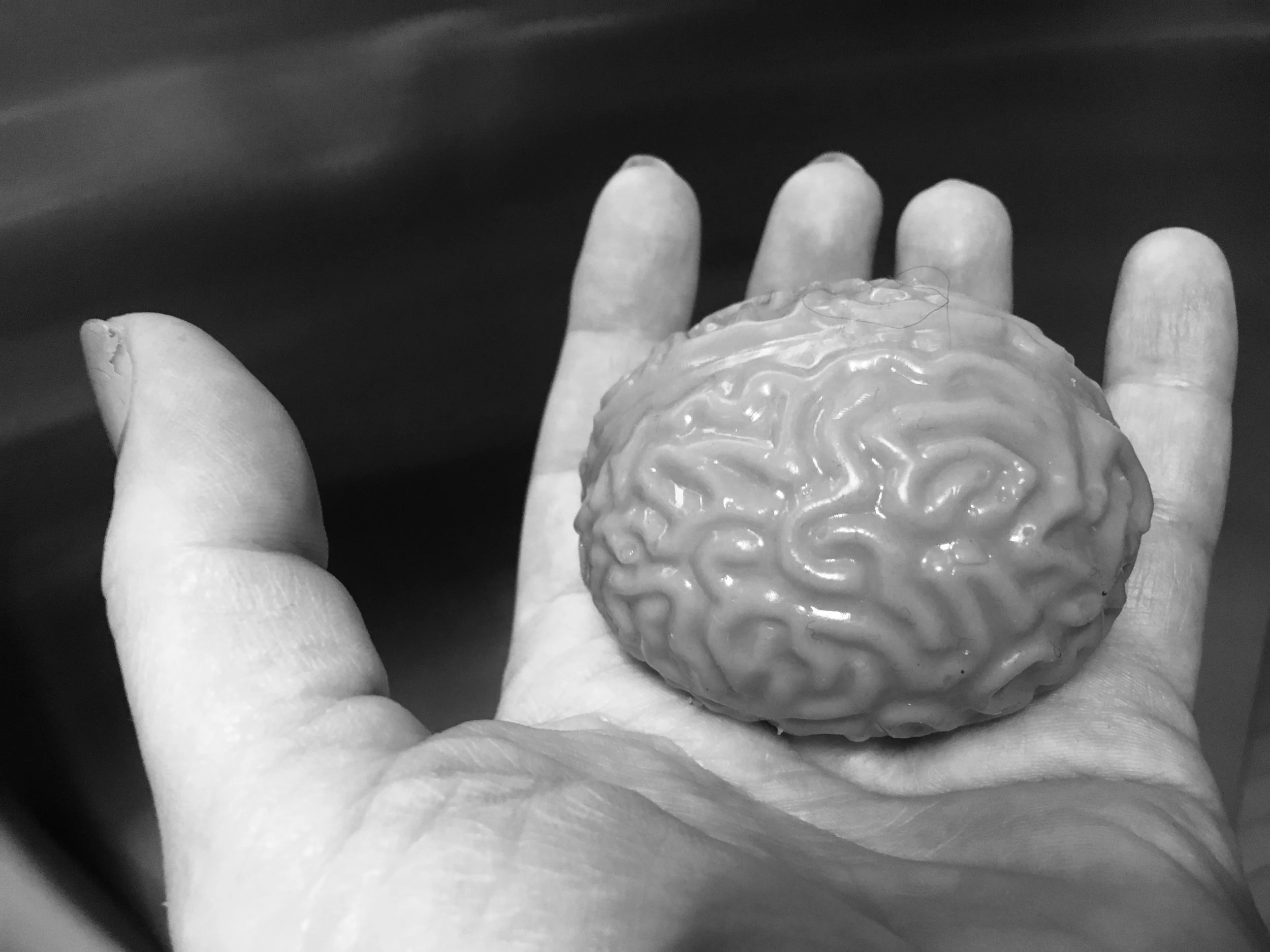
I think there is a misconception that self management strategies are solely about coping. There is very much a coping element to it, but more importantly it is about massed practice of “safety” to promote neuroplastic change away from persistent pain.

It doesn’t tell me what a patient can do, how they feel, how they manage, if they need a break, if they are fulfilling their goals, or if they are able to participate in work, recreation, or social activities.

There isn't a magic exercise or manipulation that will make them feel better. But harnessing their "happy" can help a lot.
Donec id justo non metus auctor commodo ut quis enim. Mauris fringilla dolor vel condimentum imperdiet.